
So pizza night happened. The oven was cranking, flour was everywhere, and some legitimately great pizzas came out of it. But now you're looking at a dough ball sitting in the back of your fridge, slightly overproofed and a little neglected.
Don't throw it out.
I never let leftover dough go to waste - it either becomes a lunch pizza the next day, gets frozen for later, or turns into something else entirely. And honestly, some of those "something elses" have been better than the pizza that came before them. That extra fermentation time builds real flavor complexity, which makes leftover dough a surprisingly good canvas for a second act.
Whether you have just enough for a snack or a full pie's worth, here's how to turn that leftover dough into something to be excited about.
A Quick Note on What You're Working With
Before you start, it helps to know what kind of shape your dough is in. If it's been in the fridge for a day or two, it's probably fine for any of the ideas below - just let it come to room temperature for about an hour before you work with it. If you're unsure how far along your dough is, my guide on how long pizza dough lasts in the fridge breaks down what to expect at each stage.
If it's been three or four days and it's looking slack, bubbly, and maybe a little sour-smelling, that's a sign the yeast has chewed through most of the available sugars. It'll still taste good (more complex, actually), but it won't have much oven spring left. That dough is better suited for flatbreads, crackers, or frying rather than anything that needs to puff up. And if you're genuinely not sure whether your dough has crossed the line from "aged" to "gone," check my post on whether pizza dough can go bad for the signs to look for.
The hydration level of your original dough matters here too. A wetter dough (65%+) will spread more easily for focaccia or flatbreads, while a stiffer one will hold its shape better for knots or breadsticks. If you're not sure what hydration you used, the PizzaLogic calculator keeps track of your recipes - worth bookmarking for next time.
If your dough is feeling sticky and hard to handle, that's normal for overfermented dough. Wet hands and a well-oiled surface will help more than adding flour, which can make the final product tough.
Savory Ideas: Snacks and Sides
If you're still in a savory mood but don't want to commit to a whole other pizza, these are the moves. They're quick, they feed a crowd, and honestly, some of them are better than the main event was.
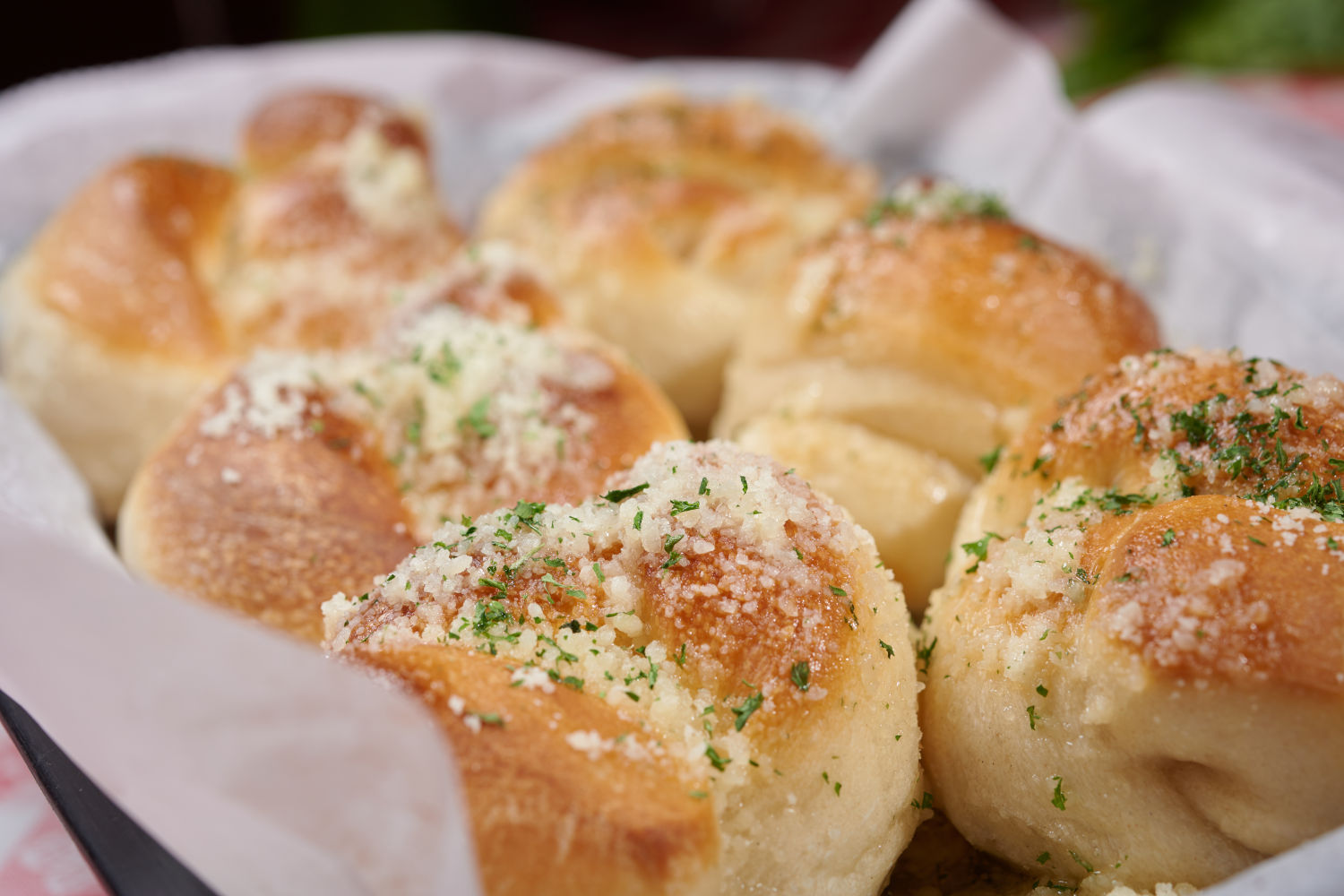
Garlic Knots
This is probably the most popular answer to "what to do with leftover pizza dough," and it deserves that spot. Flatten your dough out, cut it into strips about 6 inches long and an inch wide, and tie each one into a loose knot. Don't stress about making them look perfect - rustic is the whole point.
Bake at 400°F for about 12-15 minutes until they're golden. While they're still hot, toss them in a bowl with melted butter, a few cloves of minced garlic, chopped parsley, and a generous dusting of parmesan. That's it.
Cheesy Breadsticks
Roll the dough out into a rough rectangle on a parchment-lined sheet pan. Brush it with olive oil, hit it with garlic powder and dried Italian herbs (oregano, basil, a little thyme), and bury it under a thick layer of shredded mozzarella.
Bake it the same way you'd bake a pizza - hot oven, 450°F, until the cheese is bubbly and the edges are brown. If you have a pizza stone or steel already in your oven, even better - slide the sheet pan right on top of it for a crispier bottom. Slice into strips and serve alongside whatever leftover pizza sauce you have, warmed up for dunking.
Cast Iron Flatbread
This is a satisfying and easy go-to. Pour a generous amount of olive oil into a cast iron skillet or pizza pan with an edge (detroit style pans would work well) and drop the dough ball right in. Let it sit at room temperature for about 30 minutes so the dough relaxes and you can gently press it out with your fingertips to fill the pan. Don't force it - if it springs back, give it another 10 minutes.
Dimple the surface, drizzle with more olive oil, and finish with flaky sea salt and fresh rosemary (or whatever herbs you have around). Bake at 450°F until the bottom is crispy and the top is golden. It's not traditional focaccia, but it scratches the same itch.
Homemade Crackers
Roll the dough out as thin as you can get it - you're aiming for nearly translucent. Brush with olive oil and sprinkle with whatever sounds good: flaky salt, sesame seeds, everything bagel seasoning, dried herbs, za'atar.
Score it into rough squares with a pizza cutter (don't bother separating them, they'll snap apart after baking). Bake on a parchment-lined sheet at 400°F until they're deeply golden and crisp all the way through, about 10-12 minutes. Keep an eye on them because they go from perfect to burnt fast. Great for a cheese board.
Calzones
If you have a decent sized dough ball, a calzone is one of the most satisfying things you can do with it. Roll or stretch the dough into a round, load one half with ricotta, mozzarella, and whatever fillings you'd normally put on a pizza (sausage, peppers, mushrooms, spinach - whatever's in the fridge). Fold the other half over, crimp the edges to seal, and cut a couple of slits in the top.
Bake at 450°F on a preheated stone or steel for about 15-18 minutes until the outside is golden and the cheese is molten inside. Let it rest for a few minutes before cutting in or you'll burn the roof of your mouth. Ask me how I know.
Soft Pretzels
This one takes a tiny extra step, but it's worth it. Shape your dough into ropes about 20 inches long and twist them into pretzel shapes (or just make pretzel bites by cutting the ropes into 1-inch pieces). Bring a pot of water to a boil and add 2 tablespoons of baking soda - this is what gives pretzels that dark, chewy exterior.
Drop the shaped pretzels into the boiling water for about 30 seconds each, then transfer to a parchment-lined baking sheet. Brush with an egg wash and sprinkle with coarse salt. Bake at 425°F for 12-15 minutes. Serve with mustard, cheese sauce (my favorite is green chile queso), or both.
Simple Bread Loaf
This is the simplest possible use for leftover dough, and always delicious. Just let the dough come to room temperature, gently shape it into an oblong loaf (don't overthink it - it doesn't need to be pretty), and slide it onto a preheated stone or steel at 450°F. Bake for about 15 minutes, rotating halfway through. The internal temp should hit 190°F.
That's it. The crust will be beautifully blistered from the fermentation, and the crumb will have more flavor than most bread recipes you'd bother to make from scratch. Grab some butter and enjoy a slice warm!
Sweet Ideas
Pizza dough is basically a lean bread dough, which means it doesn't take much to push it toward the sweet side. A little butter and sugar and you're in completely different territory.
Cinnamon Rolls
Roll your dough into a rectangle, roughly 12 by 16 inches. Spread a thin layer of softened butter over the entire surface, then coat it generously with cinnamon sugar (about 1/3 cup sugar mixed with a tablespoon of cinnamon works for one dough ball).
Roll it up along the long side into a tight log, then slice into rounds about an inch and a half thick. Nestle them into a buttered baking dish with a little room to expand and bake at 375°F for 20-25 minutes until cooked through. Drizzle with a simple glaze (powdered sugar, a splash of milk, a drop of vanilla) while they're warm.
These won't be as rich as a brioche-based cinnamon roll, but the slightly chewy, bread-y texture has its own thing going on.
Fried Doughnuts (Zeppole-Style)
If you have a pot and some neutral oil, this is worth the mess. Tear off small pieces of dough - roughly walnut-sized - and drop them into 350°F oil. They'll puff up and turn golden brown in about 2-3 minutes per side.
Drain on paper towels and toss them in powdered sugar while they're still hot. Eat them immediately, because they don't store well. These are the kind of thing that disappears in about four minutes if other people are around.
Dessert Pizza
Stretch the dough into a thin round and par-bake it at 425°F for about 5 minutes - you want it set but not fully browned. Pull it out and spread on Nutella, sweetened ricotta, or even just a layer of butter and brown sugar. Top with sliced fruit (strawberries and bananas are the classic move), chocolate chips, or a drizzle of honey.
Bake for another 8-10 minutes. Slice and serve it communal-style. It's not going to win any pastry awards, but it's fun and it always gets a reaction.
Breakfast Stuff
Pizza dough in the morning is an underrated move.
Breakfast Pizza
Stretch out your dough ball thin on a parchment-lined sheet pan or into a cast iron skillet - you're going for a cracker-thin base here, not a puffy crust, because the toppings are heavy and you want everything to hold together when you pick up a slice.
For the "sauce," you've got more options than you'd think. Country gravy is the obvious winner - just a basic roux with milk, salt, pepper, and maybe some cooked sausage crumbles mixed in. Spread it thin. But a simple layer of cream cheese thinned out with a splash of milk works too, and so does hollandaise if you're feeling ambitious on a Saturday morning. Even a thin schmear of sour cream with a little garlic powder does the job. The point is just to give the toppings something to stick to and add some richness.
From there, scatter on whatever breakfast stuff you've got: crumbled bacon or sausage, frozen hashbrowns (sauté them in a skillet until they're about halfway done and starting to get some color, then scatter them on - skipping this step is how you end up with a soggy pizza), diced bell peppers, sliced scallions (you may also want to pre-cook these slightly, depending your preference). For cheese, a cheddar-mozzarella blend is the safe bet, but pepper jack adds some heat and smoked gouda is worth trying if you have it around.
Bake at 425°F until the crust is crisp and the cheese is bubbly - roughly 12-15 minutes. Pull it out and top with scrambled eggs that you've cooked separately in a skillet (keep them slightly soft, almost underdone). The residual heat from the pizza finishes them. Trying to bake raw eggs directly on the pizza is tempting but usually ends with rubbery eggs and a wet center, so I'd skip that approach.
A few shakes of hot sauce on top if that's your thing. Feeds a crowd, takes about 20 minutes of actual work, and uses up dough that was just sitting there anyway.
Breakfast Stromboli
A fun variation on breakfast pizza: roll the dough out into a wide rectangle. Layer on scrambled eggs (slightly underdone, since they'll keep cooking in the oven), cooked sausage or bacon, and a good handful of shredded cheddar. Roll it up tight, seal the seam on the bottom, and cut a few slits in the top for steam.
Brush with an egg wash for color and bake at 400°F for 20-25 minutes until golden. Let it rest for a few minutes before slicing, or the filling will fall out everywhere.
An Overlooked Option: Use It as a Preferment
Here's a trick to get a good start on your next pizza night. If you don't feel like making anything right now, you can use that leftover dough as a preferment - sometimes called pâte fermentée or just "old dough" - in your next pizza batch.
Tear off a piece (roughly 10-20% of your next batch's total flour weight) and mix it directly into your new dough. The aged dough adds fermentation flavor and complexity without requiring a long cold proof. It's a legitimate technique that bakeries have used forever, and it's a great way to build depth in a same-day dough.
If you want to plan for this, the PizzaLogic calculator can help you figure out how much dough to set aside and how it affects your overall recipe ratios.
Storage: Buying Yourself Time
If none of these ideas appeal to you right now, the main thing is to slow down fermentation so the dough doesn't blow out.
In the fridge (1-3 days): Lightly oil the dough ball, place it in an airtight container or a zip-lock bag with the air squeezed out, and put it in the coldest part of your fridge. It will continue to ferment slowly, so expect it to be more relaxed and slightly tangier when you come back to it. That's not a bad thing - it just means it's better suited for flatbreads and focaccia than a Neapolitan-style pie that needs structure. In the freezer (up to 3 months): Oil the dough, wrap it tightly in plastic wrap, and place it inside a freezer bag. Freezing effectively stops yeast activity. The texture won't be identical to fresh dough - freezing can weaken the gluten structure slightly - but for most of the recipes above, you won't notice a difference. I have a full guide on how to freeze pizza dough if you want to do it right.
Par-bake and freeze: If you want the fastest path to future pizza night, stretch the dough out, par-bake it at 450°F for about 5 minutes until it's just set, let it cool completely, and freeze it flat. When you're ready, go straight from freezer to oven - top the frozen crust and bake at full heat. No thawing, no proofing, no planning ahead. It's the best of both worlds: you preserve all the fermentation flavor from the leftover dough while skipping the entire thaw-and-rise process later.
Stop Wondering What to Do with Old Pizza Dough
The real answer to what can I make with leftover pizza dough is: almost anything you'd make with bread dough. It's flour, water, salt, and yeast. That's a starting point, not a limitation.
So the next time you've got a spare dough ball hanging around, don't let it go to waste. Pick something from this list, or just improvise - get creative and experimental, and you might love the result!