
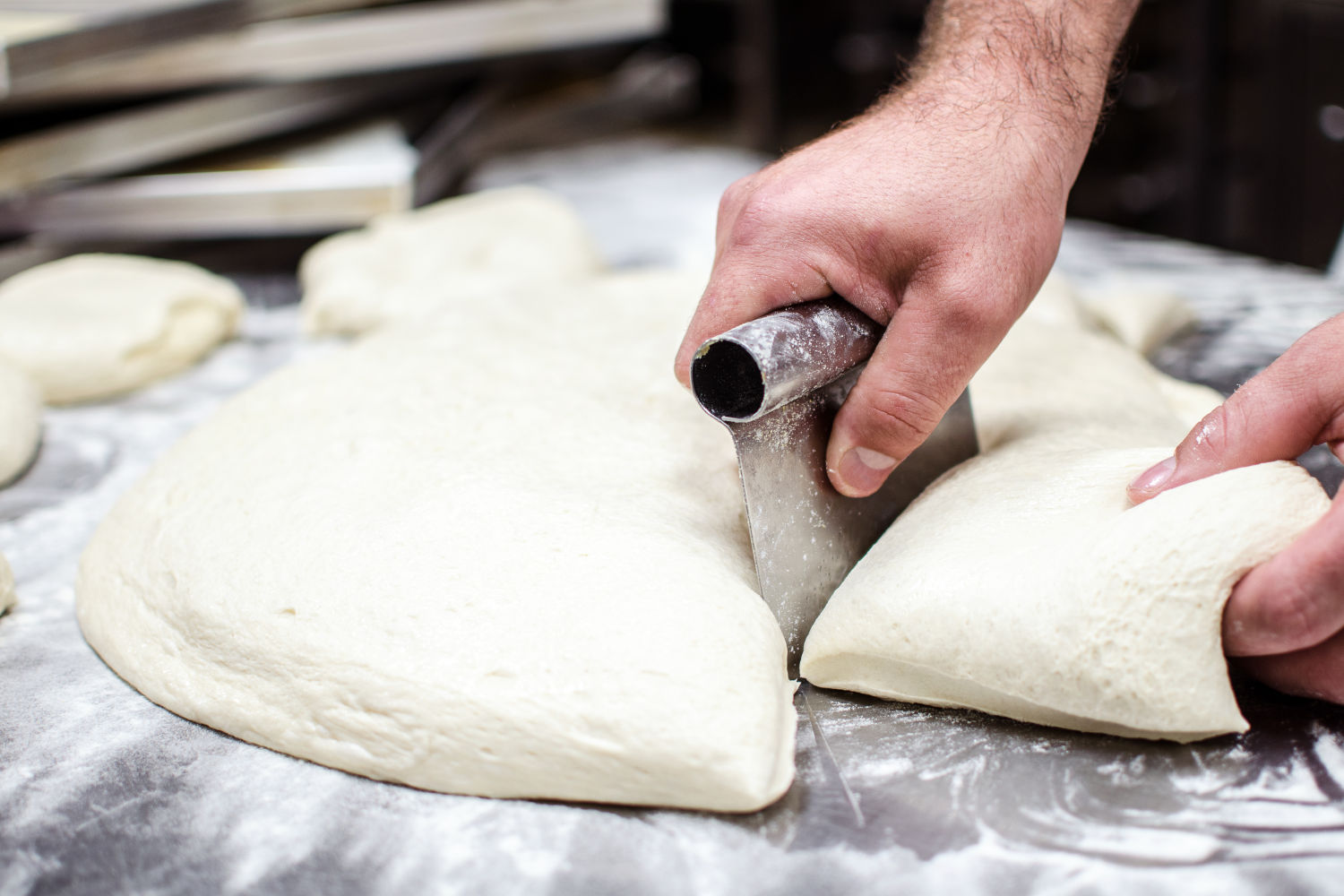
If you've ever wondered why your favorite pizzeria's crust tastes so much better than what you get from a same-day home dough - more complex, slightly tangy, with that perfect charred leopard spotting - the answer almost always comes back to one technique: the preferment.
The idea isn't new. It's one of the oldest tricks in baking. Before commercial yeast existed, bakers would save a chunk of yesterday's dough and mix it into today's batch. Polish bakers refined the concept into what we now call a poolish, which eventually spread through Austria and France. Italian bakers developed the biga. The names and ratios differ, but the core principle is the same: ferment a small portion of your flour, water, and yeast ahead of time, then fold that matured starter into your final dough.
That extra step - even just mixing something the night before - changes everything about the finished crust.
What Actually Happens During Pre-Fermentation
When flour, water, and a tiny amount of yeast sit together for 8–16 hours, a few important things take place.
First, amylase enzymes break starches down into simple sugars, while protease enzymes go to work on the gluten proteins. Those freed-up sugars and amino acids are exactly what fuel the Maillard reaction during baking - the browning and caramelization responsible for those nutty, roasted, slightly sweet crust flavors you can't get from a quick-rise dough.
Second, lactic acid bacteria (present even in commercial yeast doughs) slowly produce lactic and acetic acids. These lower the dough's pH and create that subtle tangy quality - closer to fresh yogurt than sourdough. Room temperature fermentation tends to favor lactic acid (milder, creamier), while colder temperatures push toward acetic acid (sharper, more sour). This is worth remembering when you start combining preferments with cold fermentation later on.
Third, because the yeast has had hours to multiply and produce CO2, your final dough gets dramatically better oven spring - that big, airy puff in the cornicione that separates a good pizza from a great one.
And there's a practical bonus: because the preferment is already teeming with active yeast, you need significantly less commercial yeast in your final dough. Less yeast means less of that one-note "bready" flavor that can dominate a same-day mix.
Poolish vs. Biga vs. Sourdough: Picking Your Style
Most pizza makers work with one of three preferment approaches. They accomplish similar goals but produce noticeably different results.
Poolish is the easier starting point. It's a 100% hydration mix - equal parts flour and water by weight - so it has the consistency of thick pancake batter. You whisk it together, leave it on the counter overnight, and pour it into your final dough the next day. Because of the high water content, protease enzymes are more active, which breaks down gluten and makes the final dough more extensible (easier to stretch). The result is a softer crumb with a more open cell structure. It's a natural fit for Neapolitan and New York style pies.
Biga is the traditional Italian approach and runs at a much lower hydration - typically 45–60%. It comes together as a stiff, shaggy mass rather than a pourable batter. That lower water content limits protease activity, so more of the gluten structure stays intact. The result is a chewier, more elastic dough with better structural strength. Biga is especially useful if you're working with softer Italian flours (Tipo 00 or Tipo 0) that could use the extra support. It also develops a slightly deeper, more complex flavor than poolish, with a bit more acidity.
Sourdough starter is the original preferment - a living culture of wild yeast and bacteria that you maintain and feed over time. It produces the most complex flavor of the three, with a distinctive tang and depth that commercial yeast can't fully replicate. The tradeoff is that it requires ongoing maintenance, longer and less predictable fermentation times, and more experience to use well. More on sourdough as a pizza preferment below.
If you're new to preferments, start with a poolish. It's more forgiving, easier to incorporate, and the overnight timing fits naturally into a "mix before bed, make pizza tomorrow" workflow.
How to Make a Poolish (Overnight Method)
This makes enough preferment for roughly 4 pizzas, using about 25–30% of the total flour - a good starting ratio that adds real depth without dramatically changing how your dough handles.
Mix: Combine 200g bread flour (or Tipo 00), 200g room-temperature water, and about 0.5g instant dry yeast - that's roughly ⅛ teaspoon, barely a pinch. Whisk until smooth with no dry lumps.
Cover loosely with plastic wrap or a towel. Don't seal it airtight - CO2 needs a way out.
Wait 8–12 hours at room temperature (68–75°F / 20–24°C is ideal). The most practical approach: mix it before you go to bed.
Check for ripeness. A ready poolish will have at least doubled in volume. The surface should be domed and covered in small, actively popping bubbles. It'll smell mildly tangy - like yogurt - not aggressively boozy. If you see a collapsed center with dried smear marks on the container walls above the current level, it's gone too far. More on that below.
Incorporate. Pour the poolish into your mixing bowl, add the remaining water from your recipe, and stir to loosen it up. Then add your remaining flour, salt, and a small amount of additional yeast to build the final dough. This is where the PizzaLogic dough calculator comes in handy for dialing in your exact hydration and yeast amounts.
Adjusting Yeast for Different Timelines
Your kitchen temperature and schedule will dictate how much yeast to use in the preferment:
| Fermentation Window | Instant Dry Yeast (per 200g flour) |
|---|---|
| 6–8 hours | ~1g (¼ tsp) |
| 8–12 hours | ~0.5g (⅛ tsp) |
| 12–16 hours | ~0.2g (tiny pinch) |
Warmer kitchen? Use less yeast or shorten the time. Cooler kitchen? Bump the yeast up slightly or give it a few extra hours. For a deeper look at yeast types, brands, and conversion ratios, see my complete yeast guide.
How to Make a Biga
Once you're comfortable with poolish, biga is worth exploring - especially for chewier, more structured crusts.
Mix: Combine 200g bread flour or Tipo 00 with 1–2g instant dry yeast, then add 90–100g water (this gives you roughly 45–50% hydration). Stir until a stiff, shaggy dough forms. It doesn't need to be smooth - rough and chunky is fine. Some bakers intentionally leave it in pieces to limit gluten development during the long ferment.
Cover and place in a cool spot. Biga prefers cooler temperatures than poolish - 60–65°F (16–18°C) is ideal if you can manage it. A garage, basement, or cool pantry can work well depending on the season.
Ferment for 16–20 hours. The biga is ready when it has risen and domed on top, possibly with a slight dip forming in the center.
Incorporate. Biga doesn't pour like poolish - you'll need to tear or cut it into small chunks. Soaking the pieces briefly in your recipe's remaining water helps them break down before you mix in the rest of your flour and salt.
A quick note on biga hydration: a wetter biga (closer to 60%) works well for shorter ferments in the 10–12 hour range. A drier biga (closer to 45%) is better suited for longer fermentation and produces a more pronounced sour character. For a deeper walkthrough - including water temperature control, integration technique, troubleshooting, and a sample weekly schedule - see my complete guide to making biga for pizza dough.
Sourdough Starter: The Original Preferment
Poolish and biga both use commercial yeast, which makes them predictable and easy to time. But there's a third option that predates both of them by centuries: sourdough starter.
A sourdough starter (also called a levain) is a stable culture of wild yeast and lactic acid bacteria, built up over days of feeding flour and water. Unlike commercial yeast - which is a single cultivated strain bred for speed and consistency - a sourdough starter contains dozens of wild yeast strains and bacteria working together. That diversity is what gives sourdough its deeper, more complex flavor profile and its distinctive tang.
For pizza, sourdough functions as a preferment in the same way poolish or biga does: you're introducing already-active fermentation into your final dough. The difference is in what's doing the fermenting and how it behaves.
What Sourdough Brings to Pizza Dough
The lactic acid bacteria in a sourdough starter produce a wider range of organic acids than you'll get from a commercial yeast preferment. The flavor is more layered - not just tangy, but with a depth that poolish and biga can only partially replicate. If you've ever tasted a really good sourdough pizza from a wood-fired oven and noticed how the crust had a complexity that went beyond just "charred bread," that's the bacterial diversity at work.
Sourdough also tends to produce better digestibility than commercial yeast doughs, even compared to poolish or biga. The extended fermentation and the acids produced by the bacteria break down gluten and starches more thoroughly. Many people who report sensitivity to regular pizza find sourdough crust easier on their stomach.
The tradeoff is control. Commercial yeast is engineered to be reliable - you can predict within an hour or two when your preferment will be ready. Sourdough fermentation is slower, more variable, and depends heavily on the health of your starter, ambient temperature, and how recently you fed it. Dough made with sourdough alone (no commercial yeast) will also be stickier and require more careful handling than a poolish-based dough.
Two Ways to Use Sourdough for Pizza
Use your starter directly. The simplest approach: take a portion of ripe, recently-fed sourdough starter (typically 10–20% of your total flour weight) and mix it straight into your dough. This works well if you maintain an active starter and want to fold pizza into your regular baking routine. The Perfect Loaf's Maurizio Leo takes this approach, noting that when the starter amount is small, there's no real need to build a separate levain - your active starter is already doing the job.
Build a dedicated levain. If your starter lives in the fridge and only gets fed once a week, you'll get better results by building a levain 8–12 hours before mixing your dough. Take a small amount of starter (say 20–30g), feed it with fresh flour and water (100g each for a 100% hydration levain), and let it ferment at room temperature until it's doubled and bubbly. This gives the wild yeast time to wake up and multiply, producing a more vigorous, predictable fermentation in your final dough. You can also adjust the flour type in your levain - using Tipo 00 or bread flour instead of whatever you normally feed your starter - to better match your pizza recipe.
The Discard Shortcut
If you maintain a sourdough starter, you're probably generating discard every time you feed it. That discard - the unfed portion you'd otherwise throw away - can be used in pizza dough for flavor, even though it doesn't have enough active yeast to leaven on its own.
The approach is simple: add a cup or so of discard to your dough along with a small amount of commercial yeast to handle the actual rising. You get the tangy, fermented flavor of sourdough without the timing unpredictability of relying on wild yeast alone. It's a good middle ground if you like the taste of sourdough pizza but don't want to plan around a 6–8 hour bulk ferment.
Is Sourdough Worth It for Pizza?
It depends on where you are in the process. If you're just getting into preferments, start with poolish - it's faster, more forgiving, and the overnight timing is easy to work into a normal schedule. If you already maintain a sourdough starter for bread baking, using it for pizza is a natural extension and the flavor payoff is real.
The honest comparison: a well-made poolish with a 24–72 hour cold ferment will get you 80–90% of the way to sourdough-level flavor complexity. Sourdough closes that last gap with a richer acid profile and a crust character that's hard to replicate any other way - but it asks more of you in terms of planning and starter maintenance. For most home pizza makers, poolish or biga with cold fermentation is the sweet spot between effort and results.
How Much of Your Flour Should Be Pre-Fermented?
This is one of those details that gets glossed over in most recipes but actually matters quite a bit.
The general range is 10–50% of your recipe's total flour. At 10–20%, the effect is subtle - a mild improvement in flavor and texture that's good for experimenting. The sweet spot for most home bakers is 25–35%, where you'll get noticeable depth without changing how the dough handles in ways you're not expecting. Going up to 50% gives you a very chewy crumb and pronounced flavor, but the dough can start to feel weaker and stickier because so much of the gluten has already been partially broken down.
Going above 50% is generally not recommended unless you know what you're doing. The gluten degradation makes the dough harder to shape and work with.
The Over-Ferment Trap (and How to Avoid It)
The single most common preferment mistake is letting it go too long. Here's what to watch for:
With poolish: A collapsed, flat, or sunken surface with dried residue on the container walls above the current level means the yeast ran out of food and the structure fell apart. It'll smell sharply alcoholic or vinegary rather than mildly tangy. At this point, the gluten has been broken down too far - your final dough will be slack, sticky, and won't hold its shape well. The damage isn't something you can fix by adding more flour.
With biga: An over-fermented biga will be completely deflated with a sour, acrid smell and a sticky-wet texture (the opposite of its normally stiff consistency).
The rule of thumb: it's always better to use a preferment that's slightly under-ripe than one that's gone over. An under-ripe preferment - one that hasn't quite doubled, still smells more like raw flour than yogurt - just means you'll need a bit more proofing time for your final dough or a touch more yeast in the final mix. That's a much easier problem to solve than weakened gluten.
If your preferment has clearly collapsed and smells off, start over. It's only flour, water, and a pinch of yeast.
Combining Preferment with Cold Fermentation
These two techniques are complementary, not competing. A preferment handles the enzymatic breakdown and acid development that happens best at room temperature. Cold fermentation (stashing the final dough in the fridge for 24–72 hours) adds its own layer of slow, gradual flavor development - favoring acetic acid and producing a slightly different set of aromatic compounds.
Many pizzerias and serious home bakers use both:
- Make a poolish, biga, or sourdough levain and ferment 8–16 hours at room temperature
- Mix the final dough and ball it
- Cold ferment in the fridge for an additional 24–72 hours
The result is the widest range of flavor complexity you can get from a yeasted dough. If you've already been doing cold fermentation on its own, adding a preferment to the front end of your process is the natural next step.
That said, a preferment alone - without the cold ferment - still produces excellent pizza. You can make a poolish overnight, mix your dough in the morning, let it proof for a few hours at room temperature, and be stretching pies by dinner. For weeknight pizza, that's a realistic workflow that still delivers a crust miles ahead of anything you'll get from a direct-method same-day dough.
Quick Reference: Direct vs. Indirect Method
| Direct Method | Indirect Method (Preferment) | |
|---|---|---|
| Process | All ingredients mixed at once | Portion fermented first, then added to main dough |
| Timeline | Same-day pizza is possible | Requires 8–24 hours of advance planning |
| Flavor | Simpler, more one-note | More complex and nuanced |
| Crust Texture | Decent, but denser crumb | Better oven spring, lighter, more open crumb |
| Browning | Standard | Enhanced - more available sugars for caramelization |
| Yeast Amount | More yeast needed | Less yeast overall |
| Digestibility | Standard | Often improved - more complete fermentation |
Bonus: Pâte Fermentée (Old Dough)
There's one more preferment worth mentioning, and it's the simplest of all. Pâte fermentée - French for "old dough" - is literally just saving a fist-sized piece of finished pizza dough from your current batch and tossing it in the fridge. The next time you make dough, chop up that old piece, dissolve it in your recipe's water, and build the new batch around it.
It's the only preferment that contains salt (since it's actual finished dough), and the flavor boost is more modest than what you'd get from a dedicated poolish or biga. But for anyone who makes pizza regularly, it's an almost effortless way to improve each batch. No extra mixing step, no planning ahead - just save a piece and use it next time.
The PizzaLogic dough calculator can help you dial in your hydration, yeast amounts, and flour ratios whether you're working with a poolish, biga, sourdough starter, or direct dough. If you're experimenting with preferments for the first time, it's a good way to keep your baker's percentages straight while you adjust your process.