
If you've ever found yourself asking what is Colorado style pizza, you're not alone. It doesn't get the same national spotlight as New York, Chicago, or even Detroit style. But whether it qualifies as a true regional pizza style or a single chain's clever branding is a debate worth having.
Often called a "Mountain Pie," Colorado style pizza is built around a massive, hand-braided crust made with whole wheat flour and honey. The braided edge isn't decorative - it's structural. The whole point is to create a wall thick enough to contain a genuinely absurd amount of toppings and cheese. And at the end of the meal, you tear off that big honey-sweetened crust and dip it in even more honey. It's basically a built-in dessert.
Here's what makes it different, where it came from, and why you've probably never heard of it.
Where Colorado Style Pizza Comes From
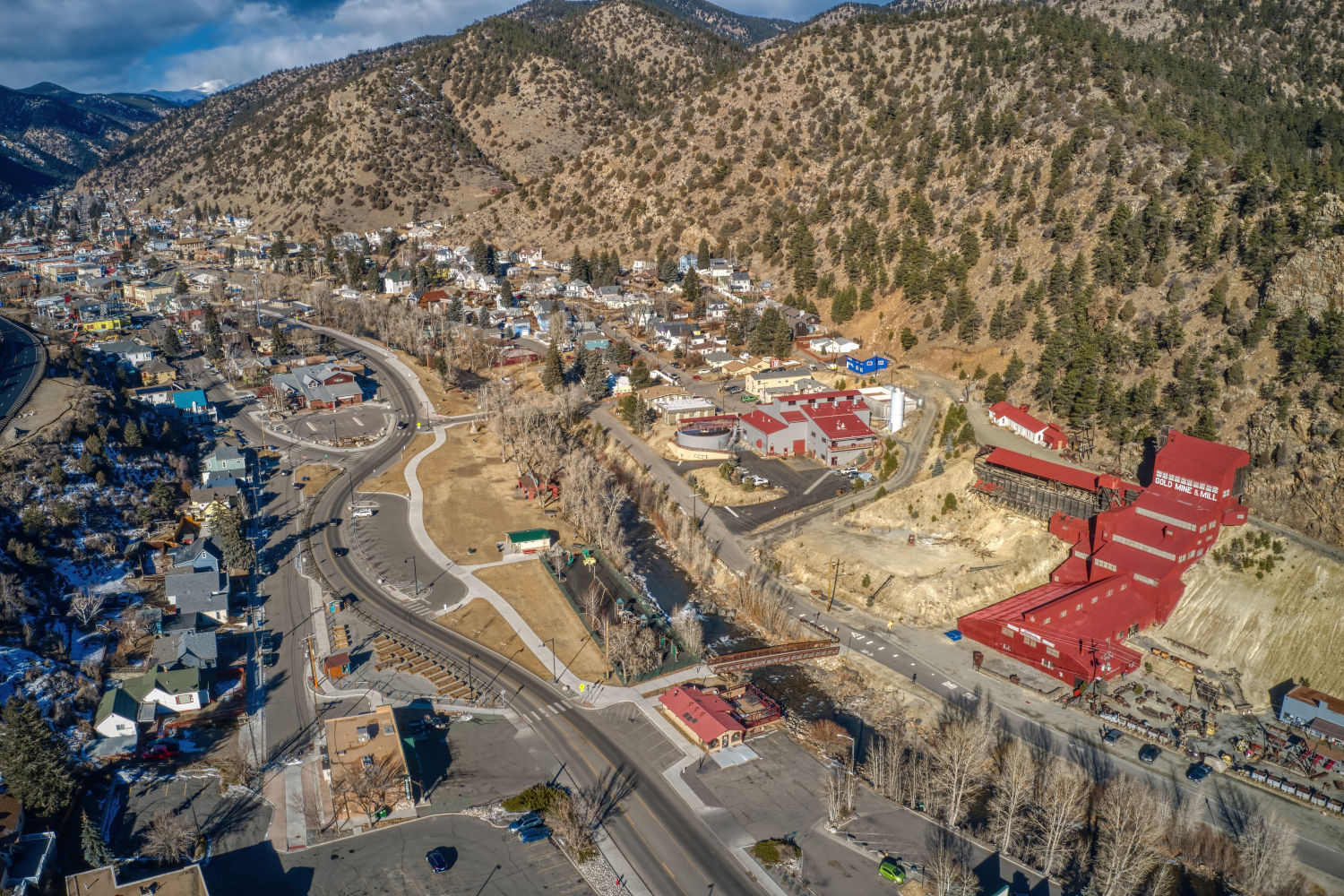
The style was born in 1973 at a restaurant called Beau Jo's in Idaho Springs, Colorado - a small mountain town along I-70 about 30 miles west of Denver. The owner, Chip Bair, wanted a pizza hearty enough to refuel the skiers and hikers coming down from a weekend trip. He swapped out refined sugar for local honey, and developed a sturdy whole wheat crust that could hold a lot of toppings.
The concept caught on - at least within the chain. Today, Beau Jo's has locations across the state in Idaho Springs, Fort Collins, Steamboat Springs, Evergreen, Denver, Arvada, and Lone Tree. I grew up in Fort Collins and have known Beau Jo's for most of my life - I've hit their lunch buffet plenty of times and the honey on the whole wheat crust is legitimately tasty. But in all those years living in Northern Colorado, I can't say I've ever heard much regard for "Colorado style pizza" as a concept outside of people who are already fans of the restaurant. Nobody's debating whose Mountain Pie is better the way people argue about New York slices or Detroit pans. It's just Beau Jo's.
Wait, It's Trademarked?
Here's where the story gets interesting - and where "Colorado style pizza" starts looking less like a regional tradition and more like a branding exercise.
Beau Jo's holds a federal trademark on both "Colorado-style pizza" and "Mountain Pie." That means other pizza restaurants in Colorado - even ones making thick-crusted, honey-dipped pizza - technically can't use either term to describe what they're selling.
This is unusual. Nobody owns "New York style" or "Chicago deep dish" or "Detroit style." Those names spread freely, which is exactly how they became nationally recognized pizza categories. Hundreds of restaurants across the country compete to make the best version of each style, food writers cover them endlessly, and the styles grow in popularity because of that open competition.
Colorado style pizza never got that chance. The trademark created a chilling effect where other restaurants just avoided the concept entirely rather than risk a legal fight. There's no ecosystem of competing pizzerias refining and evolving the style. There's no local debate about who does it best. It's just one chain, which makes it hard to call this a true regional "style" in the same way we talk about New York or Detroit pizza.
Some longtime Colorado residents will tell you they've been to Beau Jo's maybe once. Others have fond memories of pulling off I-70 after skiing and demolishing a five-pound pie. But even the fans tend to describe it more as a fun novelty than as the pizza they reach for on a regular Tuesday night. The term "Colorado style" might be doing more marketing work than culinary work.
That said, the actual pizza concept - honey wheat crust, braided edge, heavy toppings, honey for dipping - is interesting enough to be worth understanding and experimenting with, regardless of what you call it.
What Makes the Dough Different
The crust is where Colorado style pizza separates itself from everything else.
The flour is a blend that includes whole wheat, which gives the crust a nuttier, more complex flavor than your standard white-flour pizza dough. But the real signature is the sweetener - honey instead of sugar. Honey is a humectant, which means it actively holds onto moisture during baking. That matters here because the crust is incredibly thick. Without that moisture retention, you'd end up with something closer to a dry biscuit than a pizza crust.
Beau Jo's makes their dough fresh throughout the day using local Colorado honey and olive oil. They don't publish their recipe, but the basic framework is well understood from what they've shared publicly and what home bakers have reverse-engineered over the years.
If you're interested in experimenting with honey in your own pizza dough, a pizza dough calculator can help you dial in the right ratios. Even swapping just a portion of your sugar for honey will change the texture and browning of your crust in a noticeable way.
A Note on High Altitude Baking
Since this style comes from the Colorado mountains, altitude is worth mentioning. If you're baking above 3,500 feet, the lower atmospheric pressure causes yeast to expand faster than it would at sea level. For thick, heavy doughs like this, that can be a real problem - over-proofed dough can collapse under the weight of all those toppings.
General high-altitude adjustments include reducing your yeast slightly, increasing your liquid to compensate for faster evaporation, and bumping your oven temperature up by 15-25°F to set the crust structure quickly. If you're new to high-altitude baking, understanding hydration percentages is a good place to start.
The "Containment System"
The braided crust edge is the engineering centerpiece of a Mountain Pie, and Beau Jo's calls it exactly what it is - a containment system. It's not just a thick crust. The dough is rolled out wider than the pan, the excess is draped over the edges, and then it's hand-rolled and braided inward to create a raised barrier around the entire perimeter.
The result looks like a pizza crossed with a pie crossed with a bread bowl. That braided wall sits several inches high and is dense enough to hold back what can only be described as an aggressive amount of toppings.
For comparison, a standard 16-inch New York style pizza might use around a pound of dough. A Colorado style Mountain Pie of similar size needs significantly more just to build the base and that enormous edge. If you're thinking about trying something inspired by this at home, you'd want to scale your dough ball weight up considerably from what you'd normally use.
The Toppings Situation
Colorado style pizza is not the place for minimalism. The flagship "Motherlode" at Beau Jo's piles on salami, pepperoni, meatballs, bacon, Italian sausage, and Canadian bacon, all buried under mozzarella. These pies are heavy - hence the gimmick of pricing them "by the pound."
But Beau Jo's isn't just a meat-lover's destination. Their menu includes options like the Chip's Pie (chicken, black olives, tomatoes, artichoke hearts, feta), the Victorian (roasted garlic-olive oil sauce, tomatoes, red onion, banana peppers, feta, mozzarella, and fresh arugula), and even cauliflower crust and dairy-free options. You can also blend up to four cheeses from a list of seven, which is a fun level of customization you don't see at most pizza joints.
One thing that's different from Chicago deep dish - the topping order on a Mountain Pie is standard. Sauce goes on the dough, then cheese, then toppings, then more cheese on top. Chicago famously inverts that whole sequence with cheese on the bottom and sauce on top. It's a small detail but it changes the eating experience significantly.
The Honey Ritual
This is the part that really sets Colorado style pizza apart from everything else. That massive braided crust rim? It doesn't have sauce or toppings on it. It's intentionally left bare because it's meant to be torn off at the end of the meal and dipped in pure honey.
The whole wheat flour and honey already baked into the dough give the crust a subtle sweetness, and then you're adding more honey on top of that. It sounds like it shouldn't work, but the combination of warm, slightly nutty wheat crust with a sticky hit of honey is probably the most memorable part of the whole experience - and the detail most people mention first when they talk about Beau Jo's.
The modern twist is hot honey - drizzling chili-infused honey over the crust (or the whole pizza) right when it comes out of the oven. The heat thins the honey so it soaks into the crust instead of just sitting on top, and the spicy-sweet contrast against salty meats works really well. Beau Jo's has leaned into this with a "hot honey dough" option that bakes the chili flakes right into the crust.
Colorado Style Pizza vs. Chicago Deep Dish
People inevitably compare these two because they're both thick and heavy, but they're actually pretty different once you break them down.
Chicago deep dish uses a high-fat, almost pie-like dough pressed into a deep pan. The cheese goes directly on the dough, toppings go on the cheese, and a layer of crushed tomato sauce goes on top of everything. The crust is buttery, flaky, and relatively thin considering how tall the overall pizza is - most of the height comes from the fillings.
Colorado style pizza uses a hand-braided whole wheat crust that's thick and bready on its own. Toppings go in the standard order (sauce, cheese, toppings), and the braided edge is the main structural feature. The crust itself is the star, not just a vessel. And obviously, nobody's dipping their Chicago deep dish crust in honey.
They're both great. They're just solving different problems.
Colorado Style Pizza Dough Recipe
Regardless of the branding debate, the dough concept itself is worth experimenting with. Beau Jo's doesn't publish their exact recipe, but the key elements are well documented: whole wheat flour, honey instead of sugar, olive oil, and fresh dough made throughout the day. Based on those details and the Colorado mountain style recipes that home bakers have reverse-engineered over the years, here's a solid starting point.
This recipe targets a 14-inch pan, which is a manageable size for a home oven while still giving you enough dough to build that signature raised edge.
The Flour Blend
A 50/50 mix of bread flour and whole wheat flour. The bread flour provides the gluten structure you need to support heavy toppings, while the whole wheat gives you that nutty, slightly sweet flavor that defines the style. The bran in whole wheat flour also cuts through some of the gluten strands as you knead, which keeps the thick crust tender instead of chewy.
Baker's Percentages
If you're comfortable working in baker's percentages, here's how this dough breaks down relative to total flour weight:
- Bread flour: 50% of total flour
- Whole wheat flour: 50% of total flour
- Water: 77%
- Honey: 11%
- Olive oil: 7%
- Salt: 1.6%
- Instant yeast: 1.8%
That honey percentage is the detail that jumps out. A typical pizza dough uses maybe 1-3% sugar. This dough runs around 11% honey, which is a huge amount. That's what drives the moisture retention, the golden color, and the sweetness that makes the honey-dipping ritual work at the end.
The hydration is high too - around 77%. Whole wheat flour absorbs significantly more liquid than white flour, so you need that extra water to keep things workable.
Build this recipe in PizzaLogic's dough calculator to scale it to your exact pan size and number of pizzas.
Target Dough Ball Weights
You need more dough than a normal pizza because of the braided edge. As a rough guide:
- 12-inch pan: 600-650g
- 14-inch pan: 700-800g
- 16-inch pan: 900-1000g
For reference, a standard 14-inch New York style pizza uses around 400g of dough. You're nearly doubling that here.
Basic Method
Combine your water, honey, and yeast in a mixing bowl and let it sit for a few minutes until the yeast wakes up. Add your flour blend, olive oil, and salt. Mix until a shaggy dough forms, then knead (by hand or with a dough hook) for about 8-10 minutes until smooth and elastic. The dough will feel a little stickier than a standard pizza dough because of the whole wheat and the honey - that's normal.
Oil a bowl, drop the dough ball in, cover it, and let it rise for about an hour until roughly doubled in size. Then it's ready to shape.
Shaping the Containment System
Roll your dough out about 2-4 inches wider than your greased pan. Lay it in the pan and let the excess drape over the edges. Dock the flat base with a fork to prevent steam bubbles. Then cut small slits into the overhanging dough every couple of inches, and fold each section diagonally over the one next to it, working your way around the entire edge. Tuck everything tight. You should end up with a raised, braided wall sitting inside the rim of the pan.
Baking
Load up your toppings (sauce, cheese, meats, more cheese) and bake at 475-500°F for 18-22 minutes, or until the crust is golden and the cheese is bubbling. If you have a baking steel or a heavy pizza stone, preheat it on the lowest rack and set your pan directly on it - that extra thermal mass helps cook through the thick base without leaving it doughy in the middle.
If you're baking above 3,500 feet in elevation, reduce your yeast by about 25%, add a tablespoon or two of extra water, and bump your oven temp up by 15-25°F. High altitude makes yeast overperform, and a heavy dough like this can over-proof and collapse if you don't compensate.
How to Try It
If you're in Colorado and curious, you can hit one of the Beau Jo's locations. The original in Idaho Springs sits in an 1880s building right off I-70 and is probably the most atmospheric option. But any location will give you the Mountain Pie experience.
If you're outside Colorado, Beau Jo's ships frozen pies nationwide through Goldbelly. It won't be quite the same as eating one fresh, but it'll give you the general idea.
The more interesting route, though, might be making your own version at home. The underlying concept - a honey wheat dough with a built-up edge, heavy toppings, and honey for dipping - is a fun project regardless of how you feel about the "Colorado style" branding. Plug the recipe above into PizzaLogic's dough calculator to scale it to whatever pan size you're working with. The calculator handles all the math on hydration, flour ratios, and dough ball weight so you can focus on nailing that braided edge.
Is Colorado style pizza a real regional style or a single chain's marketing? Honestly, it's probably a little of both. But the honey wheat crust concept is legitimately interesting, and worth trying at least once - whether at Beau Jo's or in your own kitchen.