
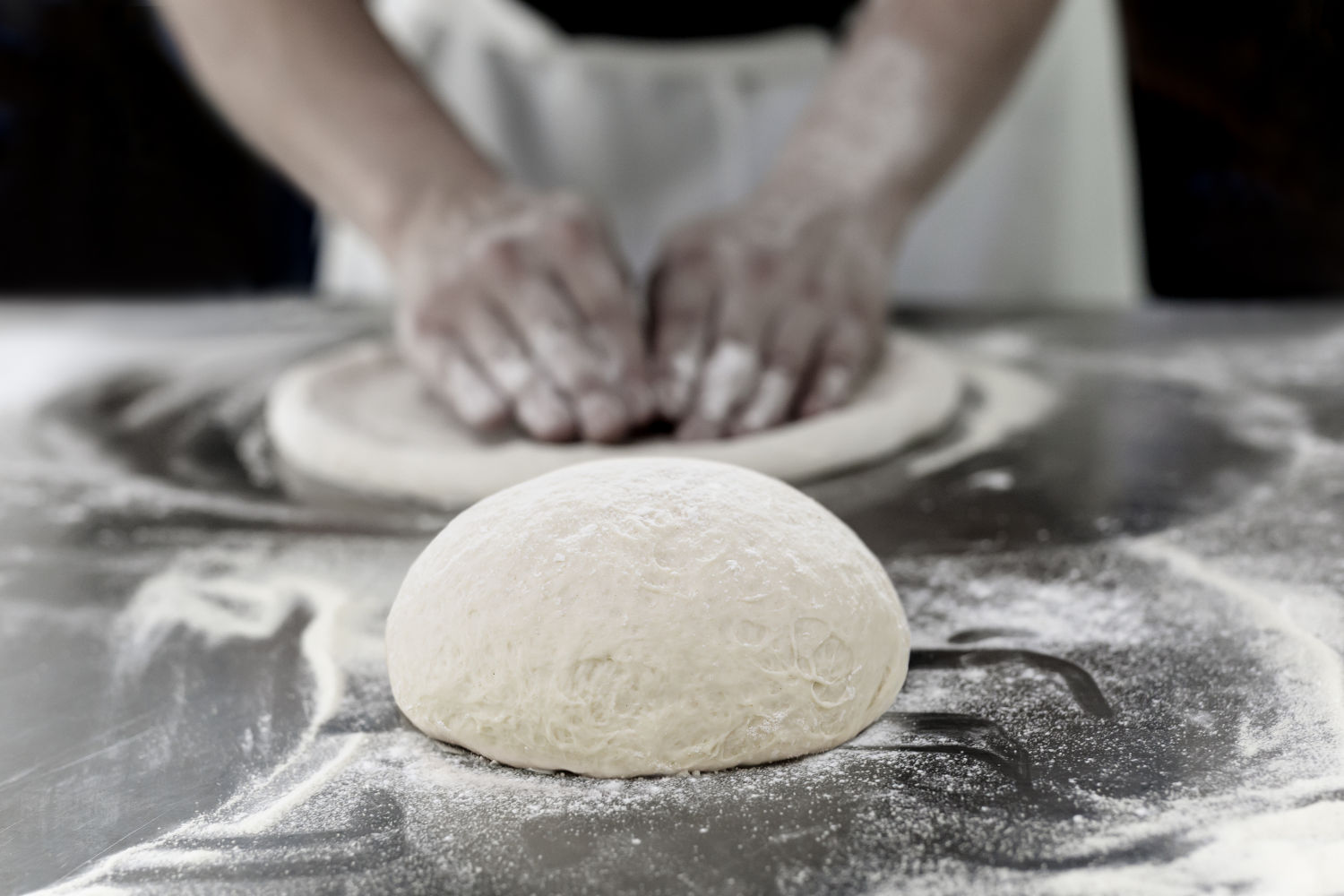
Freezing dough is one of the best tricks for weeknight pizza. Thawing it wrong is one of the fastest ways to end up with a dense, unworkable mess. Here's how to do it right.
Quick Reference:
| Method | Time Needed | Best For |
|---|---|---|
| Fridge (cold ferment) | 12–24 hours | Best flavor and texture |
| Countertop | 2–4 hours + 30–60 min temper | Same-day pizza |
| Water bath | 45–60 min + temper | Forgot to plan ahead |
Method 1: Overnight in the Fridge (Do This If You Can)
This is the best method. Full stop. The slow thaw keeps the yeast happy and actually improves flavor - you're essentially giving the dough a second cold ferment.
How to do it:
- Move frozen dough to the fridge 12–24 hours before you want to bake
- Keep it in a lightly oiled container with a lid, or a zip-top bag with the air pressed out
- A 250g dough ball needs about 12 hours; a 350g ball closer to 18–24
Why it's worth the wait: When dough freezes, ice crystals form inside it and cause micro-damage to the gluten structure and the yeast. A slow, cold thaw gives the gluten time to rehydrate gradually as those crystals melt, instead of shocking the whole structure with a sudden temperature swing. The cold also keeps the yeast dormant until the dough is fully thawed, so you don't end up with an over-proofed outside and a frozen center.
Method 2: Countertop Thaw (The 4-Hour Window)
You forgot to pull dough last night. It happens. The countertop method works fine - you just lose some of the flavor development.
How to do it:
- Place frozen dough in a bowl and cover tightly with plastic wrap or a damp towel
- Let it sit at room temperature (ideally 70–75°F / 21–24°C) for 2–4 hours
- Smaller dough balls (under 250g) will be ready closer to 2 hours
How to tell it's ready: The dough should roughly double in size. Do the poke test - press your finger gently into the dough about half an inch. If the indent springs back slowly over 2–3 seconds, you're good. If it snaps back immediately, it needs more time. If it doesn't spring back at all, it's over-proofed.
Watch your kitchen temp: On a hot summer day (80°F+), check it earlier. Over-proofed dough gets slack and won't hold its shape.
How to Thaw Frozen Pizza Dough Quickly (The Water Bath)
It's 5 PM. The dough is a frozen brick. The water bath is the fastest safe way to thaw pizza dough - you can go from freezer to workable dough in about an hour.
How to do it:
- Keep the dough sealed in an airtight plastic bag (check for holes - any water leaking in will make the surface gummy and unworkable)
- Submerge in a bowl of cool to lukewarm water - aim for 75–80°F / 24–27°C
- Change the water every 15 minutes as it cools
- Should be thawed in 45–60 minutes depending on size
- Follow it with 30–45 minutes of tempering at room temperature before you try to stretch
Do not use hot water. This is the most common mistake. Hot water activates the yeast on the outside while the center is still a frozen block, creating uneven fermentation. Worse, it can push the outer layer into the temperature zone where bacteria start multiplying. Lukewarm is the limit.
Honest take: Water bath dough won't be as good as fridge-thawed dough. The quick thaw stresses the yeast and you skip all the flavor development. But it works, and it's way better than ordering delivery. Anything faster - like microwaving - risks killing the yeast and creating uneven texture. There's no shortcut that doesn't compromise the final crust.
Don't Skip This: Tempering
Here's where a lot of people go wrong. The dough is thawed, so they start stretching immediately. Then they wonder why it keeps snapping back like a rubber band.
Cold dough = tight gluten. Even after thawing, you need to let the dough sit on the counter for 30–60 minutes to fully relax.
- Fridge-thawed dough: 45–60 minutes at room temp
- Countertop-thawed dough: Usually ready, but give it 15–30 if it feels resistant
- Water bath dough: 30–45 minutes (it's been stressed, give it time)
You'll know it's ready when the dough stretches easily without fighting back.
Not All Dough Thaws the Same
Your pizza style affects what to expect after thawing.
New York style holds up well. The oil and sugar in most NY recipes protect the gluten and give the yeast a quick food source when it wakes up. NY dough generally thaws with most of its original quality intact.
Neapolitan is more fragile. It's just flour, water, salt, and yeast - no fat or sugar to buffer against freezing damage. Even minor structural issues show up in that light, airy crust. If your Neapolitan dough seems a bit weaker after thawing, that's normal and expected.
Deep dish is basically made for the freezer. The high fat content protects against ice crystal damage, and the denser texture doesn't depend on a delicate gluten network. Deep dish dough can go 3+ weeks frozen with almost no quality loss.
If you're planning to freeze dough regularly, the style you choose and how you prep it for the freezer matters a lot. I cover all of that in my guide on how to freeze pizza dough.
Set Yourself Up for an Easy Thaw
Most thawing headaches actually start at the freezing stage. If you froze one giant blob of dough, you're stuck thawing the whole thing - and refreezing the leftovers never goes well (more on that below).
The better move is to portion your dough into individual balls before freezing. That way you thaw exactly what you need for pizza night - no waste, no refreezing.
My free PizzaLogic dough calculator makes this easy. Plug in how many pizzas you want, your preferred size and crust style, and it gives you exact dough ball weights. Make a big batch on the weekend, portion it out, freeze, and you've got pizza-ready dough for weeks.
For the full rundown on wrapping, storage, and recipe adjustments that help dough survive the freezer, check out my complete guide: How to Freeze Pizza Dough.
Try the PizzaLogic Calculator →
Troubleshooting
"My dough is thawed but won't stretch - it keeps shrinking back" → Needs more tempering time. Cover it and wait another 20–30 minutes.
"My dough is slightly slack but still smells fine" → Try re-balling it. Gently stretch and fold the dough back into a tight ball - this realigns the gluten strands and redistributes the yeast. Give it 2–3 hours at room temp to relax again before stretching.
"My dough is super sticky, almost liquefied, won't hold any shape" → Too far gone. This is a sign of severe structural breakdown. No amount of re-balling will fix it. Discard and start fresh.
"The outside is soft but there's still a cold spot in the middle" → Thawed too fast or dough ball was very large. Let it sit covered at room temp until even throughout. Don't try to stretch it with a cold center.
"My crust came out dense and didn't rise much" → Likely the yeast was damaged - either from hot water, microwaving, or too many freeze/thaw cycles. If this keeps happening, you may need to adjust your recipe for freezing. My freezing guide covers the specific tweaks that help.
"The dough smells sour, rancid, or strongly alcoholic" → It's gone bad. A mild yeasty smell is normal, but a sharp, unpleasant odor means bacterial activity or severe over-fermentation. Also watch for gray or yellowish discoloration, or small craters (dimpling) on the surface. Toss it.
FAQ
Can I refreeze pizza dough?
Yes, if it stayed at refrigerator temperature (40°F / 4°C or below) the whole time. According to the USDA, dough thawed in the fridge can be safely refrozen within 3–4 days.
The quality tradeoff: every freeze cycle damages the gluten and kills more yeast, so refrozen dough often won't rise as well. This is why portioning before freezing matters - thaw one ball, leave the rest frozen.
The safety hard line: if the dough sat at room temperature for more than 2 hours (or 1 hour if your kitchen is above 90°F), don't refreeze it. Freezing doesn't kill bacteria - it just puts them to sleep. Use it or toss it.
Can I microwave frozen pizza dough?
No. Microwaves heat unevenly - you'll end up with cooked spots and frozen spots, plus dead yeast. There's no recovering from this. Just plan ahead or use the water bath.
How long does thawed dough last in the fridge?
2–3 days max. After that, it over-ferments and gets increasingly sour and slack. If you're not going to use it within that window, leave it frozen.
How much dough do I need per pizza?
It depends on your pan size and how thick you like your crust. Rather than guessing, use the PizzaLogic calculator - it accounts for pizza size, crust style, and number of pies so you get the right amount every time.
The Bottom Line
The difference between "frozen pizza" and "homemade pizzeria pizza" often comes down to how you handle the thaw. Give it time, keep it covered, and always temper before stretching.
Fridge overnight is best. Countertop works. Water bath in emergencies. Microwave never.
And if you want to set yourself up for success before anything hits the freezer, start with my guides on how to freeze pizza dough and the PizzaLogic dough calculator.
Happy pizza making!